Source In Mold Ultralight E Bike Helmet for Commuting, Sport, and Safety
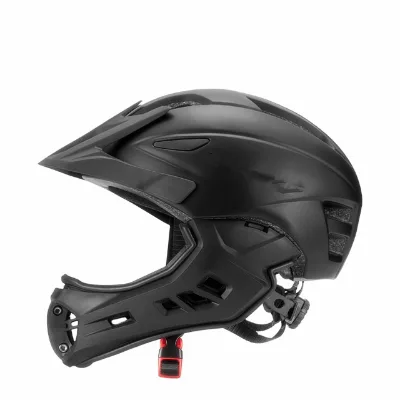
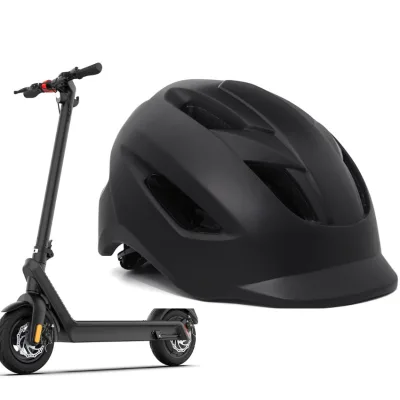
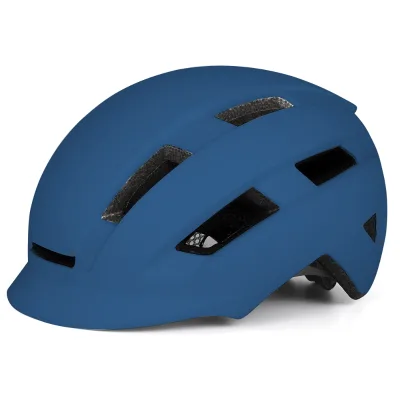
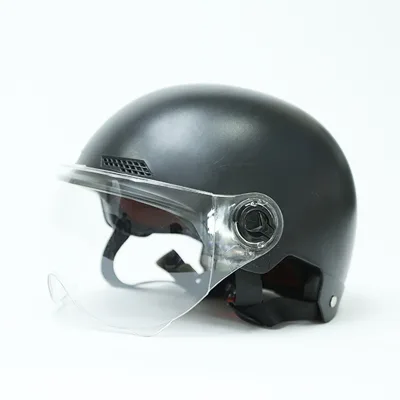
Compare 30 in mold ultralight e bike helmet options featuring EPS construction, CE certification, and adjustable fits. These durable cycling helmets offer head safety protection with integrated LED lights and snap closures for reliable performance; compare the available evidence and request quotations based on your requirements.
Key considerations
Products List








Comprehensive Sourcing Guide
in mold ultralight e bike helmet Sourcing Guide
Procurement teams must first distinguish between generic cycling helmets and those engineered specifically for electric bicycles, which often demand higher impact resistance due to increased speeds. The observed product data confirms the availability of in-mold construction using EPS foam, a critical feature for absorbing high-energy impacts while maintaining an ultralight profile. Buyers should verify that the specific listing explicitly mentions "in-Mold" technology rather than standard injection molding, as this process fuses the outer shell with the inner liner for superior structural integrity.
When evaluating listings, attention must be paid to the specific model identifiers and material compositions provided, such as ABS+PC shells or imported black EPS impact foam. The data indicates a range of head circumferences from 57 to 64 cm, requiring buyers to confirm that the supplier can accommodate the specific sizing needs of their target demographic. It is essential to cross-reference the "E-Bike Cycling Helmet" designation with the actual construction details to ensure the product meets the rigorous safety demands of higher-velocity urban commuting.
Product Scope and Observed Listing Signals
The market for these helmets presents a diverse range of features, including integrated LED lights and adjustable closures, which signal a focus on modern urban mobility and visibility. Listings frequently highlight attributes like "Fashionable" styles and "Universal" seasonal applicability, suggesting that these products are designed for year-round use in varied climates. Buyers should scrutinize the "Single Package Size" and "Gross Weight" to understand the logistical implications of shipping, as the observed dimensions of 31x23x20 cm and weights around 1.6 kg per unit affect freight costs significantly.
Observations reveal that while some models feature "Letter" patterns, others prioritize functional elements like "Impact Resistant" and "Ultralight" characteristics. The "Selling Units" are typically listed as single items, yet the "MOQ" varies widely from 200 to 300 pieces per color and size, indicating that small retailers may face higher per-unit costs or limited customization options. Procurement strategies must account for these variations in packaging and minimum order requirements to avoid inventory bottlenecks or unexpected capital expenditure.
Technical Specifications to Verify
Verification of the in-mold construction process is paramount, as this technique directly influences the helmet's ability to dissipate energy during a collision. Buyers must confirm that the EPS liner is specifically described as "Imported Black EPS Impact Foam" or equivalent high-density material, ensuring it meets the necessary density standards for e-bike speeds. The "Air Vents" count, observed as eight in some listings, should be validated for airflow efficiency without compromising the structural shell integrity required for high-speed protection.
Head circumference compatibility is another critical technical parameter, with observed ranges spanning from 57-60 cm to 61-64 cm. Sourcing teams must ensure the supplier offers a comprehensive size chart that covers the full spectrum of adult head sizes, as the "Hoop Size" specifications vary between models like W-038 and W-019. Additionally, the "Closure Type" should be verified as a secure snap mechanism that remains stable during vigorous riding, preventing accidental disengagement that could compromise rider safety.
Compliance and Safety Documentation
Safety certification is non-negotiable for e-bike helmets, and the observed listings frequently reference CE certification as a baseline standard. Buyers must request valid test reports that explicitly validate the helmet against relevant European safety standards, ensuring the "Air Vents" and shell construction have passed rigorous impact testing. The presence of "CE" on the product page is a strong indicator, but it must be backed by a certificate issued by an accredited body to confirm the specific model's compliance.
Beyond basic certification, procurement teams should investigate whether the supplier holds ISO certifications, as some data points mention "ISOMaterial" alongside EPS construction. This suggests a broader quality management system that may influence the consistency of the in-mold process and the uniformity of the EPS foam density. Verifying these documents ensures that the helmets are not only compliant with local regulations but also manufactured under a controlled environment that minimizes production defects.
Cost Drivers and Commercial Terms
The cost structure for these helmets is heavily influenced by the complexity of the in-mold technology and the quality of the imported EPS foam used in the liner. Listings show a price range of 3 to 46.4 USD, a variance that likely reflects differences in material sourcing, certification levels, and the inclusion of advanced features like integrated LED lights. Buyers must analyze whether the lower price points correspond to standard ABS+PC shells or if they represent a compromise in safety features that could lead to higher long-term liability risks.
Commercial terms are further dictated by the Minimum Order Quantity (MOQ), which ranges from 50 pieces for some generic bike helmets to 300 pieces per color and size for specialized e-bike models. This disparity requires careful financial planning, as higher MOQs can tie up capital in inventory but may offer better unit economics. Procurement strategies should negotiate tiered pricing based on volume commitments while ensuring that the "Packaging" method, such as PE pouches or color boxes, aligns with the brand's retail presentation requirements.
Supplier Qualification and Quality Control
Supplier qualification should prioritize manufacturers located in established industrial hubs like Anhui and Hebei, China, where the supply chain for cycling gear is mature. The observed "Place of Origin" data indicates a concentration of production in these regions, which often correlates with specialized expertise in helmet manufacturing and in-mold processing. Buyers should verify the supplier's production capacity to ensure they can consistently meet the varying MOQs without compromising the "Integrated, Adjustable" features that define the product's usability.
Quality control protocols must be strictly enforced to maintain the "Durable" and "Impact Resistant" claims associated with these helmets. Regular third-party inspections should focus on the bonding strength between the shell and the EPS liner, as well as the consistency of the "Air Vents" and closure mechanisms. Given the "Single Gross Weight" of approximately 1.6 kg, packaging integrity is also a key quality metric to prevent damage during transit, ensuring that the helmets arrive in sellable condition.
Long-Term Procurement Checks
Sustainable sourcing requires ongoing monitoring of the supplier's ability to maintain consistent material quality, particularly regarding the EPS foam and shell composition. Over time, fluctuations in raw material costs or changes in the "in-Mold" process could affect the helmet's performance, necessitating periodic re-testing of samples against the original safety specifications. Buyers should establish a schedule for random sampling and testing to ensure that the "Head Safety Protection" function remains reliable throughout the product lifecycle.
Market dynamics for e-bike helmets are evolving, with increasing demand for features like LED integration and adjustable fit systems. Procurement teams must stay agile, regularly reviewing new model releases such as the W-015 or GI001 to ensure the product portfolio remains competitive. Long-term success depends on maintaining a strong relationship with suppliers who can adapt to changing safety standards and consumer preferences while delivering the "Ultralight" performance that defines this category.
FAQs
What is the weight of the in mold ultralight e bike helmet?
The helmet weighs 270g, making it ultralight for comfortable long-distance cycling. It features an EPS material construction with imported black impact foam liner. This lightweight design ensures minimal neck strain while providing essential head safety protection for adult riders during spring and autumn seasons.
Can the in mold ultralight e bike helmet be customized?
Yes, customization is available for bulk orders. Buyers can select specific colors and sizes to meet their branding needs. The product supports letter patterns and fashionable styles. Minimum order quantities typically start at 200 to 300 pieces per color and size, allowing for tailored procurement strategies.
What certifications does the in mold ultralight e bike helmet have?
The helmet holds CE certification, ensuring compliance with European safety standards. It features eight air vents for optimal airflow and impact resistance. The in-mold technology integrates the shell and liner for enhanced durability. This certification confirms the product meets rigorous quality requirements for bicycle cycling head protection.
How does the in mold ultralight e bike helmet fit?
The helmet fits head circumferences ranging from 57cm to 64cm, covering multiple sizes. It uses a snap closure type for secure and adjustable fitting. The unisex design accommodates various head shapes comfortably. The adjustable mechanism ensures a snug fit, which is critical for effective head secure function during active cycling usage.
What is the packaging for the in mold ultralight e bike helmet?
Each helmet is packed in a PE pouch or color box for retail readiness. The single gross weight is 1.600 Kg, and the package size is 31x23x20 cm. Bulk orders are shipped in cartons. This packaging protects the durable, impact-resistant helmet during transit while maintaining its fashionable and integrated appearance for end consumers.
Where is the in mold ultralight e bike helmet manufactured?
The helmet is manufactured in China, with origins in Anhui and Hebei provinces. These regions are known for producing high-quality cycling accessories. The production utilizes in-mold technology to ensure structural integrity. Buyers can source these helmets directly from verified factories in these locations, ensuring reliable supply chain management for global distribution.